
Lyme disease in London is something that people should be aware of. Just this past week in clinic, I discovered a sign of this infection in a patient.
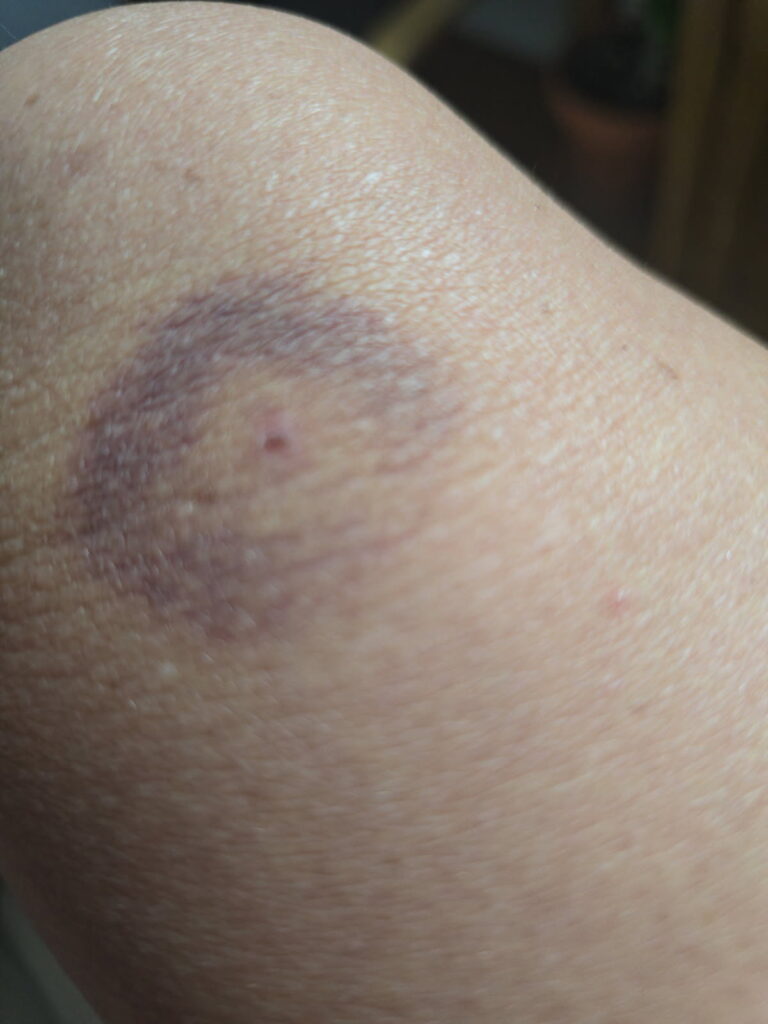
The female patient had come for treatment for an entirely unrelated issue. Once she was lying upon the treatment couch, she pulled up the lower border of her dress in order for me to access acupuncture points close to the knee area. I then saw what looked like the bite from a lyme disease-infected tick in the lower anterior thigh area.
We perhaps think of this disease as more of a rural issue, but clearly lyme disease in London and other large urban areas is something that we should be aware of. Certainly incidence is higher in rural locations, particularly those rich in grassland, but green spaces and parks in cities can also be home to the ticks that can spread this disease. The patient in question had been in Greenwich park in south-east London lying on the grass with her legs exposed two days beforehand.
Early diagnosis of lyme disease is crucial. It is a bacterial infection and can be treated effectively with antibiotics. However, in many cases, it is not picked up straight-away, partly because the symptoms can initially be very mild or even asymptomatic, and in the worst scenarios it can ultimately lead to severe and protracted illness.
This patient had on her right thigh a small bite with an area of normal skin around it but then a surrounding halo of rash-affected skin. This ring-like presentation with areas of lighter (or sometimes darker) skin closer to the centre is a classic appearance of a tick-bite from a lyme disease-carrying tick (not all ticks carry the disease). Once I spotted it, I informed her about my strong suspicions that she had been exposed to the lyme disease pathogen and recommended that she contact her GP at the very soonest opportunity. Happily, she was able to get an appointment within thirty-six hours and was prescribed a course of doxycycline.
The symptoms of lyme disease include many flu-like symptoms, such as high temperature, fatigue, muscle and joint pain, and headache. Rare but potential symptoms also include neurological and cardiac issues, and it can potentially lead to long-term debilitating issues similar to chronic fatigue syndrome. So early diagnosis and treatment is vital.
Many people are well-informed about the need to check for tick-bites when out and about in the countryside and in wooded or long grassed areas. But this incident can serve as a useful reminder that lyme disease in London and other urban areas is also a risk. During the warmer months, when spending time in parks and gardens and wearing less clothing, it is helpful therefore to keep any eye on legs and other parts of the body to monitor for any bites. This particular patient was of mixed-race background, and it is important to bear in mind that on darker-pigmented skin, the signs of an infected tick-bite can be harder to identify.
Further information about lyme disease in London and other cities and in the countryside can be found here.